Learn / Free Exercises
Learn
Start your personal consciousness lab with these simple, free exercises. Most can be done in just a few minutes, wherever you are right now. They can be done in any order. The exercises help you reconnect with your senses, and start your exploration of consciousness. Making notes about your insights is highly recommended — there are optional self reflection prompts in each exercise.
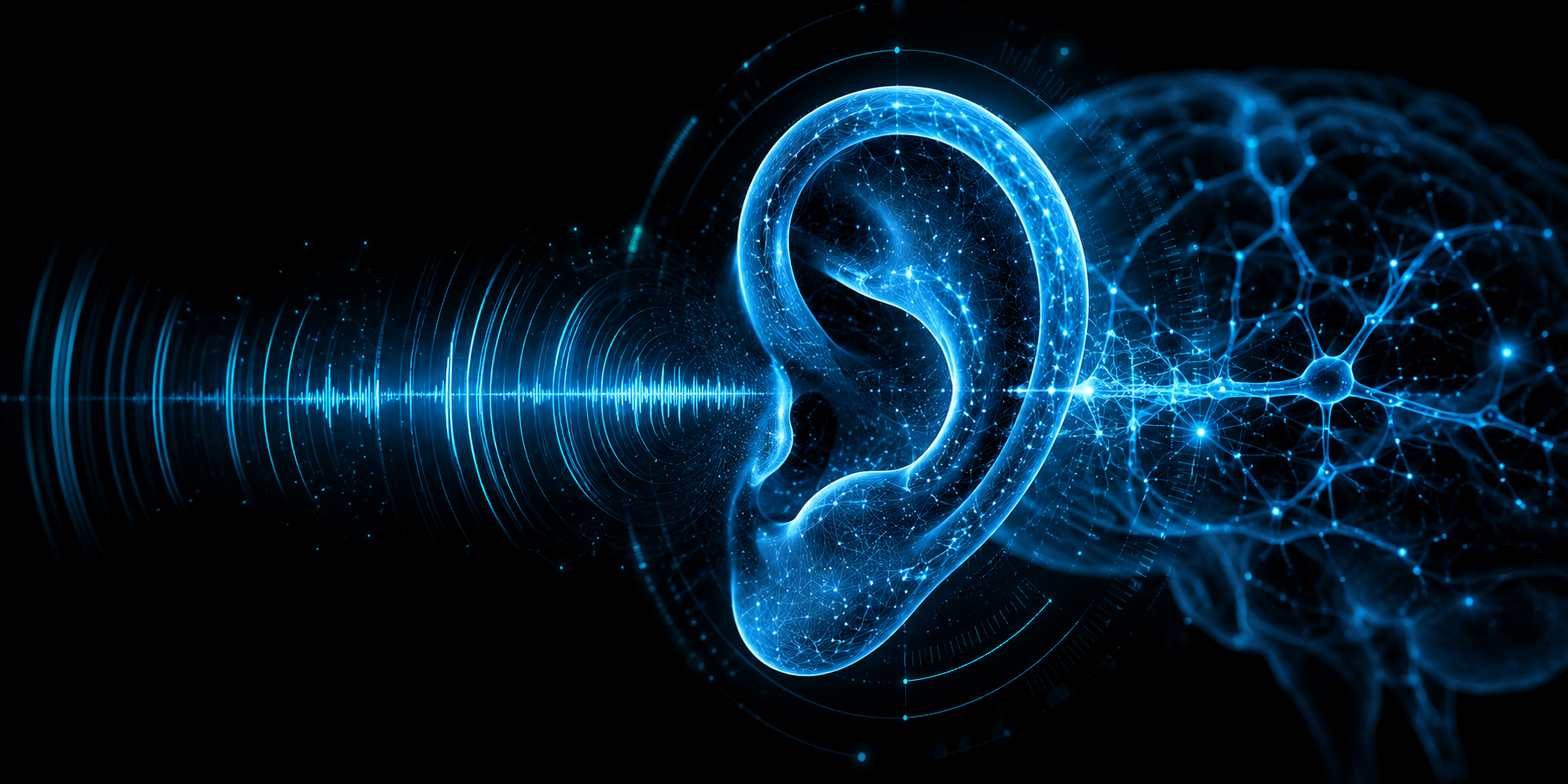
External Consciousness: Sound
Our sense of sound is one of the most dynamic and emotionally evocative senses we possess. Sound can transport us instantly to a memory, move us to tears of emotion with a piece of music, or alert us
External Consciousness: Sight
Our sense of sight is one of the most dominant and complex senses in human experience. From the moment we wake up to the moment we fall asleep, vision shapes how we interact with the world, influences

External Consciousness: Taste
Our sense of taste at first glance might not be seen as particularly important in the study of consciousness and meditation.

External Consciousness: Touch
Touch is one of the most fundamental and primal ways we interact with the world. It is the external consciousness sense that provides us with constant awareness of our environment and our own body.
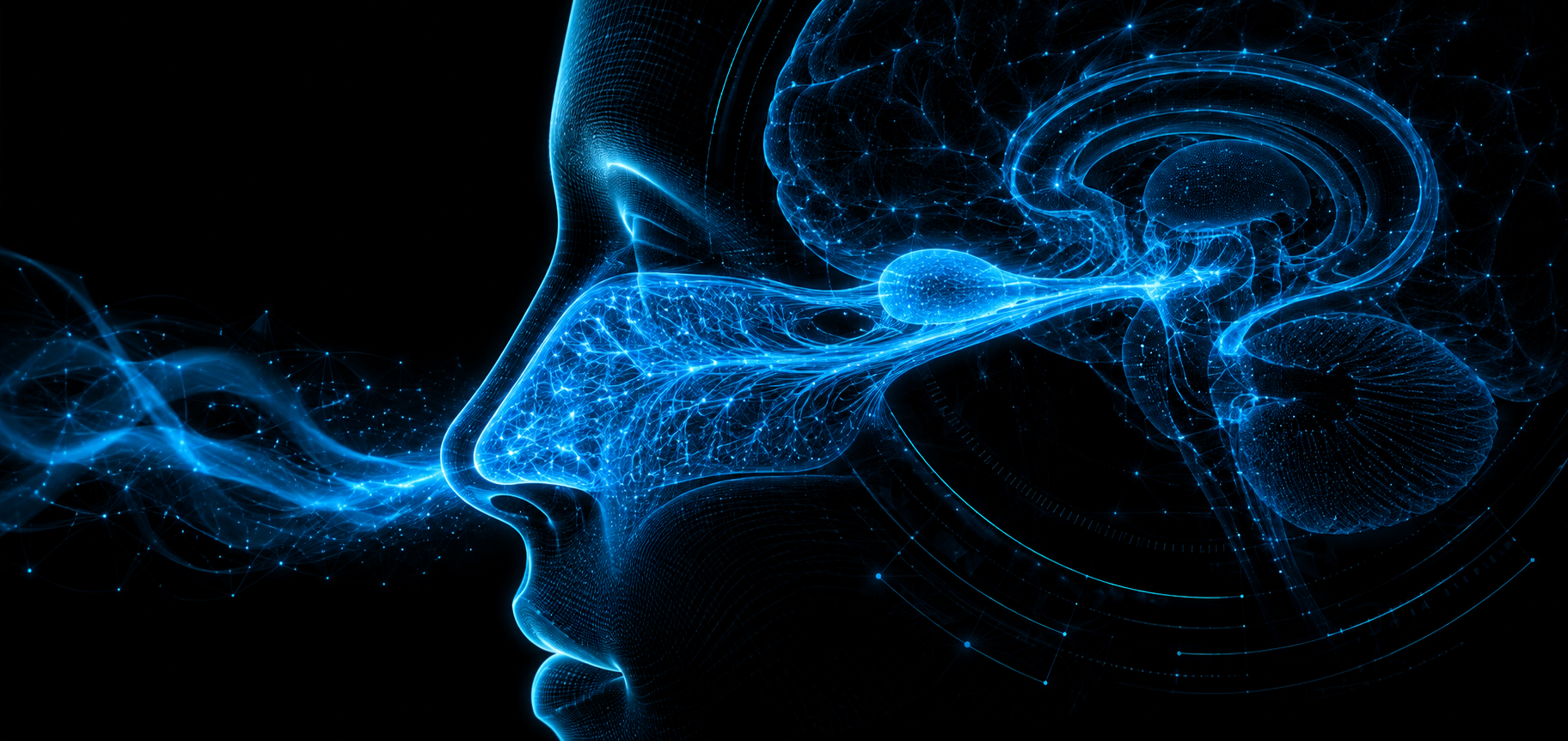
External Consciousness: Smell
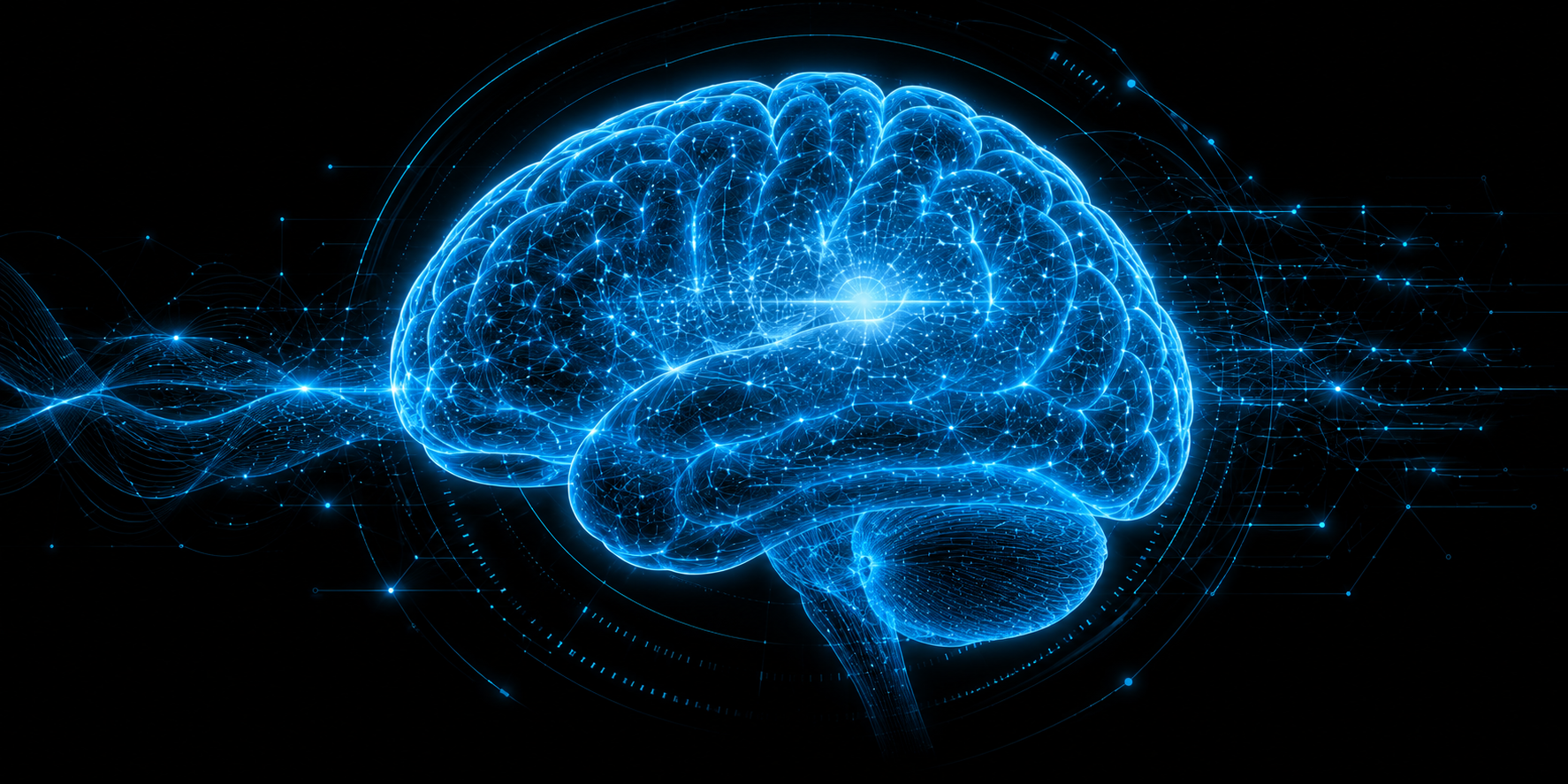
Internal Consciousness: Thinking
Thinking is the structured use of mental reasoning, where we verbalize or talk to ourselves inside our head.
Internal Consciousness: Memory
Memory is the stored version of the information that our external and internal consciousness senses have experienced as we go through life, or of things we learned or experienced from others or from books and online sources.

Internal Consciousness: Emotion
An emotion is a physiological and neurological experience that occurs that provides us internal sensory information.
Internal Consciousness: Imagination
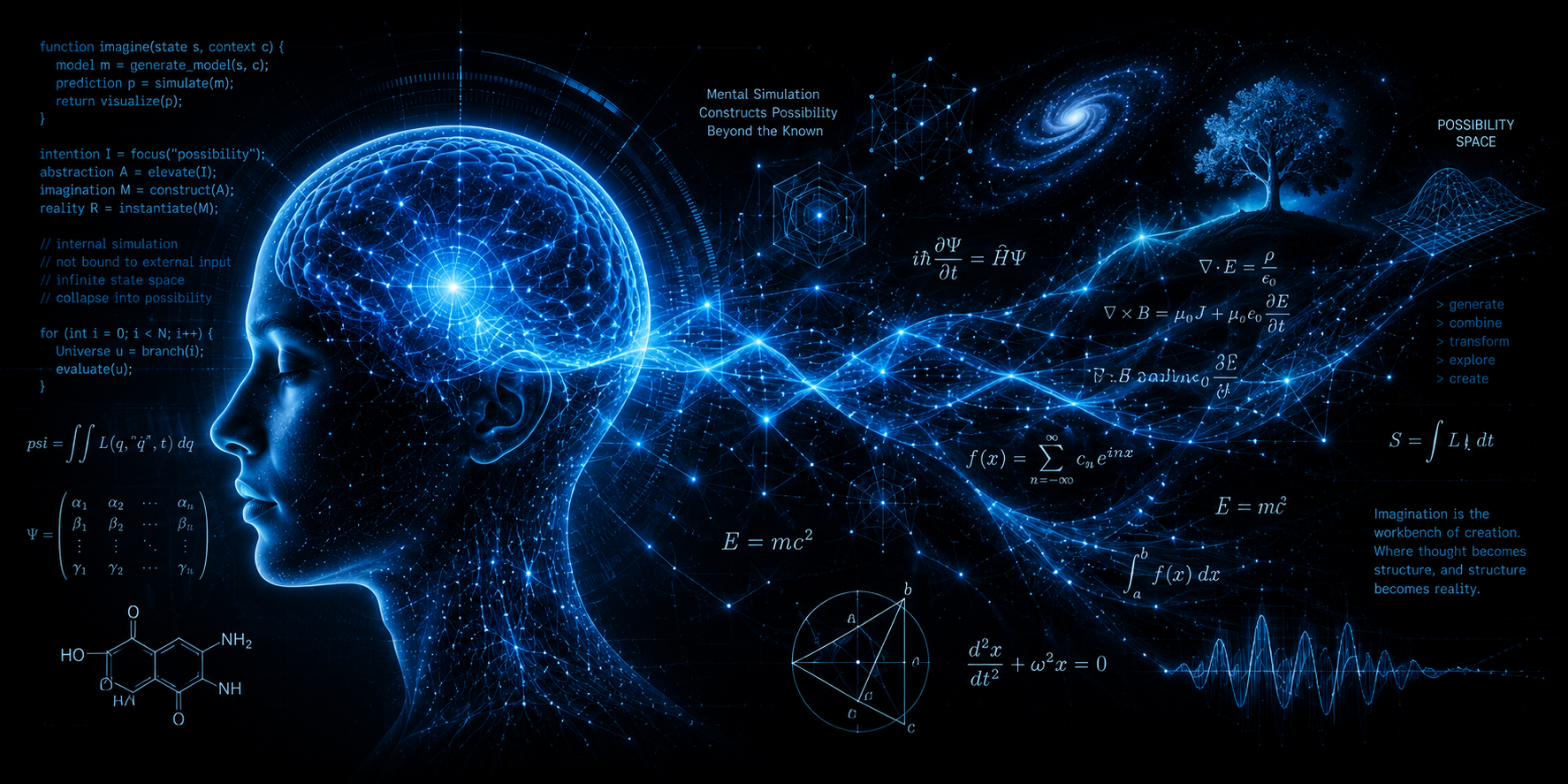
Imagination is the conscious ability to create mental images, scenarios, or ideas that are not directly available through our external senses.

Internal Consciousness: Interoception
While our sense of touch provides information from nerve endings on the exterior surface of our body, the interior of our body is also full of nerve endings. These internal nerves provide interoception or the sensing of internal stimuli within the body.
Abstract Consiousness: Intuition
Intuition is a quiet, deep, and subtle sense that provides distinct and sometimes unmistakable information or understanding.
Abstract Consciousness: Instinct
Where intuition is about careful listening and deep knowing about future possibilities, hidden patterns, or subtle signals across time, instinct is about responding in real time to the immediate environment.

Abstract Consciousness: Remote Sensing
The remote sensing consciousness sense is perhaps the most ‘mystical’ abstract consciousness sense.
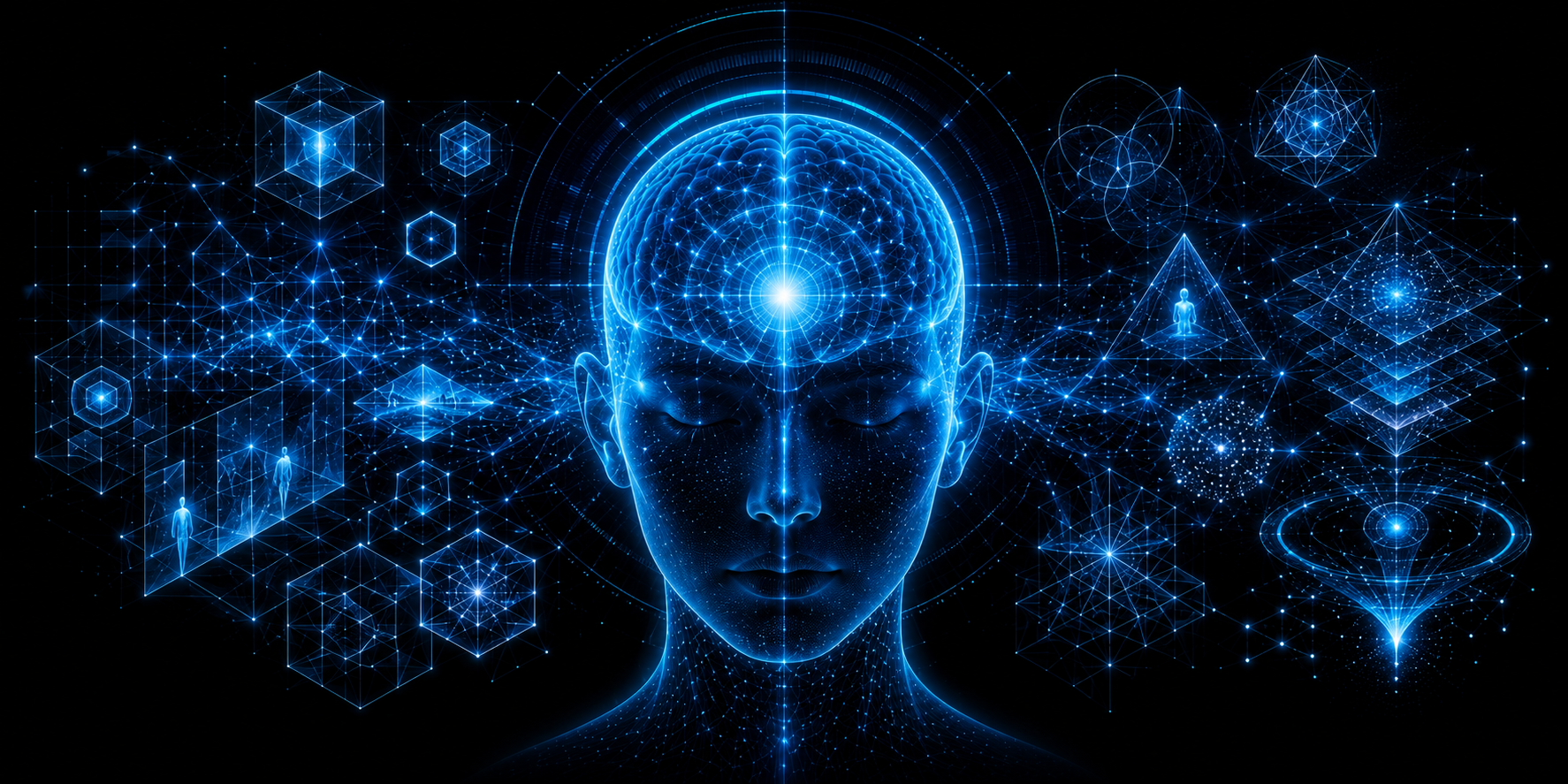
Abstraction Consciousness: Abstraction
Abstraction is the deliberate mental ability to direct your attention away from your normal viewpoint of something, and instead sense that thing from the viewpoint of another person, spatial perspective, belief, identity, emotion or thought process.

Abstract Consciousness: Creation
Creation is the consciousness sense where you experience something completely new being formed in consciousness.